
Best Skincare for Perimenopause and Menopause: Ingredients, Routine & Expert Advice
In my first Skin School guide, Perimenopause and Menopause Skin Changes: 8 Signs and Why They Happen, we looked at the science behind hormonal skin changes and why your skin may suddenly start behaving differently.
In this guide, I want to talk about what you can actually do to support it!
Now I hear all the time, people saying your skin is menopausal and you need a completely new routine! Just because your hormones are changing doesn't mean you need to replace your entire skincare routine!
After more than 30 years of treating skin, I've always believed skincare should be chosen based on what your skin actually needs, not simply your age or the stage of life you're in.
Some women experience increased dryness and dehydration, while others notice sensitivity, breakouts, pigmentation, skin texture or changes in firmness. And it's not just our skin! Hair can become drier, more brittle or suddenly much frizzier than before.
And some women experience several of these changes at once!
So where do you start?
My advice is to identify the changes you're experiencing and prioritise them.
If your skin has become more fragile, sensitive or reactive, this is where we must start. It takes priority over everything else!
Before tackling pigmentation, breakouts, or fine lines, focus on supporting your skin barrier and restoring comfort.
If you're unsure where to start, I've shared my advice in Expert Tips on How to Repair Your Skin Barrier, including how to repair, restore and strengthen your skin barrier.
Once your skin feels comfortable and is functioning well, we can look at the ingredients, formulations and skincare routines that will make the biggest difference to your other concerns.
1. Does Your Skincare Routine Really Need to Change During Menopause?
One of the biggest mistakes I see is women assuming that because they've entered perimenopause or menopause, they need to throw away their existing skincare and start again.
You don't!
If your cleanser still leaves your skin comfortable, your moisturiser provides enough hydration and your active ingredients are delivering the results you want, there's no reason to change everything.
But if your skin is becoming drier, more sensitive or less tolerant of products you've used for years, or you feel as though your skin is ageing right before your eyes and generally throwing its toys out of the pram, then it's time to reassess your routine and prioritise what's changed.
And I wouldn't necessarily start by adding more products.
Sometimes it's about reducing how frequently you exfoliate, adjusting the strength of your retinoid or changing your skincare cycle to include more recovery nights.
You don't always need more skincare. Sometimes you need to get more from the skincare you're already using.
The key is to identify which skin concerns have changed and adapt your routine accordingly.
2. Best Skincare Ingredients to Tackle Loss of Collagen and Firmness
When it comes to collagen, I take a two-pronged approach:
Protecting the collagen we already have. Because what's the point of investing in ingredients to stimulate collagen production if we're not protecting the collagen we've already got?
Supporting the skin's ability to produce more collagen.
Retinoids: The Gold Standard for Collagen-Supporting Skincare
Retinoids, including retinol, retinal and prescription tretinoin, are among the most extensively researched topical ingredients for improving visible signs of skin ageing.
They work through retinoid signalling pathways that influence skin cell behaviour, helping stimulate collagen production and reduce processes involved in collagen breakdown within the dermis.
With consistent use, retinoids can help improve the appearance of fine lines, wrinkles, uneven texture and some pigmentation concerns.
I'm a huge advocate of retinoids, but one of the biggest mistakes I see is people starting with a product that's too strong, applying too much, using it too frequently and, most importantly, not listening to their skin and ignoring all the warning signs!
The secret to getting the most from retinoids isn't necessarily using the highest strength. It's finding a formulation and frequency your skin can tolerate consistently.
Start with a suitable strength, introduce it gradually and increase the frequency slowly, according to how your skin responds. And don't be afraid to include recovery nights when your skin needs them. I have at least two recovery nights in my own weekly skincare routine, when I concentrate on hydration and supporting my skin barrier rather than using stronger active ingredients.
Remember, improvements in fine lines and wrinkles generally take several months of consistent use, and I encourage allowing at least six months to properly assess the results. This is a long-term investment in your skin, not an overnight transformation!
Vitamin C: The Most Misunderstood Skincare Ingredient
The number one reason to include a well-formulated vitamin C serum in your routine is antioxidant protection. Particularly when we're talking about protecting the collagen we already have.
One thing people often say to me is, "I've been using vitamin C, but I haven't really noticed any results apart from brighter skin."
Yes, certain vitamin C formulations can help improve radiance and uneven skin tone, but some of its most important benefits aren't necessarily things you can see happening in the mirror.
Every day, our skin is exposed to environmental aggressors, including UV radiation and pollution, which can generate free radicals. These unstable molecules contribute to oxidative stress, which can damage skin structures and activate processes involved in collagen breakdown.
Vitamin C is an antioxidant that helps neutralise free radicals, providing an additional layer of protection against oxidative stress.
Vitamin C also plays an essential role in collagen synthesis, helping support the processes that give collagen its structure and stability.
But not all vitamin C products are created equal.
The form of vitamin C, its concentration, stability, delivery system and overall formulation all influence how effectively a product works.
So don't judge your vitamin C serum purely by how much brighter your skin looks. Some of the most valuable reasons for using it are about protecting your skin over the long term, not achieving an instant visible transformation.

Peptides: Not All Peptides Target Loss of Firmness, Fine Lines and Wrinkles
I love a well-formulated peptide serum, particularly when it contains signalling peptides that may help influence processes involved in collagen production and skin firmness.
But please be careful here!
Not every peptide works in the same way, and simply seeing the word 'peptides' on a product doesn't guarantee collagen-boosting results.
Some peptides are designed to support processes associated with collagen production and skin firmness, while others are included to help improve hydration, support the skin barrier or target different skin concerns.
Its concentration, stability, delivery system and overall formulation all influence how effectively it may work. Also, clinical evidence varies considerably between peptides.
My advice? Don't buy a peptide serum simply because it contains peptides. Look at which peptides are included and what they're actually designed to do.
Daily Sunscreen: The Most Important Step for Protecting Against Loss of Firmness, Fine Lines and Wrinkles
If you're investing in collagen-supporting skincare but not protecting your skin from UV exposure, you're missing one of the most important steps!
It's like buying beautiful new garden furniture in the summer, then leaving it outside all winter without a protective cover and wondering why it starts to deteriorate!
And this is exactly how I want you to think about protecting your collagen.
UVA radiation penetrates deeper into the skin than UVB, reaching the dermis, where it contributes to collagen and elastin damage through oxidative stress and activates enzymes called matrix metalloproteinases (MMPs), which break down collagen 365 days a year.
SPF primarily measures protection against UVB-induced sunburn, so I always encourage people to look more closely at a sunscreen's UVA protection too.
A broad-spectrum SPF 50, applied generously and reapplied when needed, is one of the most important things you can do to help protect your skin against further UV-related collagen damage.
And please don't forget your neck, chest and hands!
3. Best Skincare Ingredients to Tackle Dryness and Dehydration
My first piece of advice is to understand what you're actually experiencing. Is your skin dry, dehydrated or both?
Hydration and moisture work together, but they do different jobs!
If you're unsure of the difference, my guide Dry vs Dehydrated Skin: What I Look For After 30 Years as a Skin Expert will help you identify what's happening with your skin.
If your skin is dehydrated, it needs ingredients that help attract and retain water.
If your skin is dry, it also needs ingredients that soften, replenish and reduce moisture loss.
And you can absolutely experience both, particularly if your skin is naturally dry or has become drier during perimenopause or menopause.
First, We Need Humectants: Helping Your Skin Hold Water
Humectants attract and help retain water within the outer layers of the skin.
Some of my favourites include:
Glycerin: One of the most effective and extensively researched humectants, helping maintain hydration and support skin barrier function.
Hyaluronic acid: Helps bind water, improving the appearance of hydration and plumpness.
Panthenol: A humectant that also supports skin comfort and barrier recovery.
Betaine: Helps maintain hydration and is often included in formulations designed for skin comfort.
Urea: A component of the skin's Natural Moisturising Factor (NMF), helping maintain hydration. At higher concentrations, it can also have exfoliating properties.
Read more: Best Under £25 Hydrating Serums
Read more: Best Hydrating Serums
A hydrating serum alone may not be enough if your skin is also struggling to retain moisture.
This Is Where Emollients and Occlusives Come In: Helping Prevent Moisture Loss
Emollients soften and smooth the skin, while occlusives reduce water loss by forming a protective layer on the surface.
Look for ingredients such as squalane, shea butter, dimethicone, petrolatum and plant oils suited to your skin.
These ingredients can help make dry skin feel softer, smoother and more comfortable while reducing moisture loss.
Think of facial oils, which are rich in emollient lipids, and moisturisers containing ingredients such as ceramides, cholesterol and fatty acids, which help replenish the lipids that support your skin barrier.
Read more: Best Barrier Repairing and Strengthening Moisturisers
4. How to Support Your Skin Barrier
If you've read my Skin School guides before, you'll know how important I believe the skin barrier is. And if your skin has become sensitive, fragile or reactive during perimenopause or menopause, this is where I would focus your efforts first.
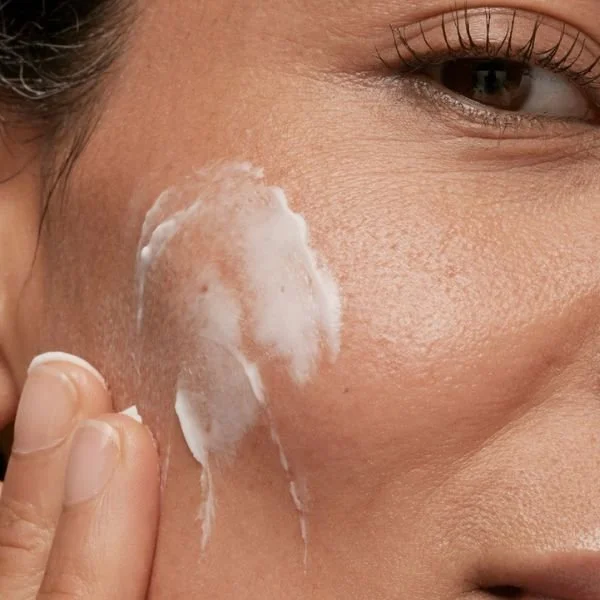
Start With Your Cleanser
If your cleanser leaves your skin feeling squeaky clean, tight or stripped, this isn't a good sign!
Before changing your cleanser, consider the temperature of the water you're using. Ideally, it should be tepid, not hot, as hot water can make dryness and sensitivity worse.
A gentle cleansing milk or cream can be a lovely option, particularly if your skin is becoming drier. You want your skin to feel clean, soft and comfortable after cleansing, not tight or stripped of its natural oils.
Next, Look at Your Moisturiser
Does your moisturiser contain the skin barrier lipid trio of Ceramides, Cholesterol and Fatty Acids?
These are three of my favourite ingredients to look for because they work together to help maintain the skin's protective lipid structure and reduce moisture loss.
Ingredients like Glycerin and Squalane are brilliant cheerleaders too! Glycerin attracts and retains water, while Squalane softens the skin and helps reduce moisture loss.
Of course, a moisturiser doesn't have to contain all three barrier lipids to be effective, but I particularly love formulations that bring them together.
Finally, Think About What You Might Need to Reduce
One more thing to consider.
Could something else in your skincare routine be contributing to the problem?
Are you exfoliating too frequently? Using several strong active ingredients? Introducing too many new products?
Sometimes the best thing you can do for your skin is simplify.
When I'm dealing with skin that's become particularly sensitive or reactive, I often find that temporarily stripping back the routine, removing potentially irritating active ingredients and concentrating on hydration, moisture and daily sunscreen is the most effective starting point.
Once the skin feels comfortable again, you can gradually reintroduce targeted ingredients, one at a time, while paying attention to how your skin responds.
5. How to Manage Increased Redness and Flushing During Menopause
Not all redness during perimenopause and menopause is caused by a compromised skin barrier, and this is where understanding what's triggering it becomes important.
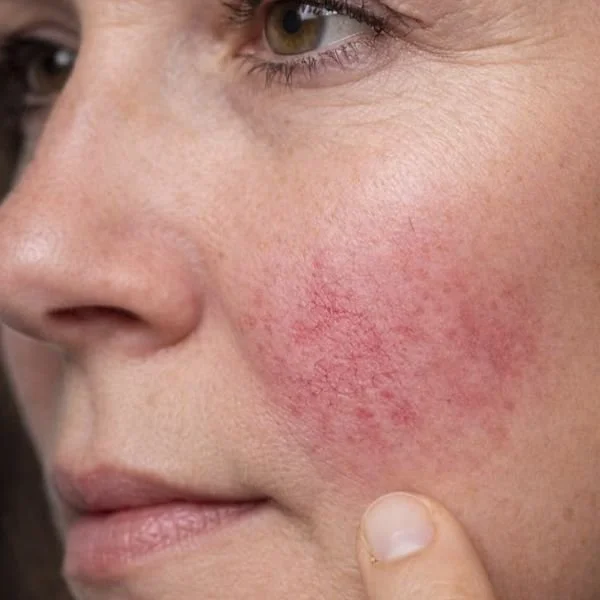
First, consider when your skin becomes red.
Does it happen after a hot shower, during warmer summer months, after eating spicy foods or drinking alcohol? Does your face suddenly feel hot, with redness appearing across your cheeks and nose?
These can be common triggers for rosacea, particularly if you're also experiencing persistent redness, stinging or visible blood vessels. If this sounds familiar, I'd recommend speaking to a medical professional to investigate whether rosacea could be contributing to your symptoms.
But what if the redness comes with sudden hot flushes or night sweats?
Hormonal fluctuations during perimenopause and menopause can affect the body's temperature regulation, causing sudden episodes of heat, flushing and sweating, sometimes with very little warning.
And if you're experiencing these regularly, there are a few simple things you can do to help keep your skin comfortable.
I love keeping a hydrating facial mist nearby, particularly one containing humectants such as glycerin, to refresh the skin and provide a cooling sensation. Keeping it in the fridge can make it feel even more refreshing!
Another useful tip is to run cool water over your wrists or apply a cool compress to your neck to help you feel more comfortable during a hot flush.
If your skin is already dry or sensitive, follow your mist with a suitable moisturiser when needed to help maintain hydration and reduce moisture loss.
6. How to Manage Hormonal Breakouts
The biggest mistake I see is treating hormonal breakouts as though you're a teenager again!
Please don't start stripping your skin with harsh cleansers and excessive exfoliation.
Remember, you can have breakout-prone skin that is also dehydrated, sensitive or lacking in lipids. And during perimenopause and menopause, your routine needs to tread particularly carefully because treating the breakouts too aggressively can leave your skin even more uncomfortable.
Ingredients Worth Considering
Salicylic acid: A beta hydroxy acid (BHA) that can help exfoliate within the pores, making it particularly useful for congestion, blackheads and clogged pores.
Azelaic acid: One of my favourite ingredients to consider when breakouts overlap with redness or post-inflammatory hyperpigmentation. It can help manage acne while also targeting uneven skin tone, making it particularly useful when you're dealing with several concerns at once.
Niacinamide: A brilliant multitasking ingredient that helps support skin barrier function and improve the appearance of uneven skin tone. It may also help regulate the appearance of oiliness, although it isn't a substitute for an established acne treatment.
And please don't assume that every spot needs another exfoliating acid!
7. How to Approach Pigmentation During Menopause
When it comes to pigmentation, the first thing you need to identify is what type of pigmentation you're actually dealing with.
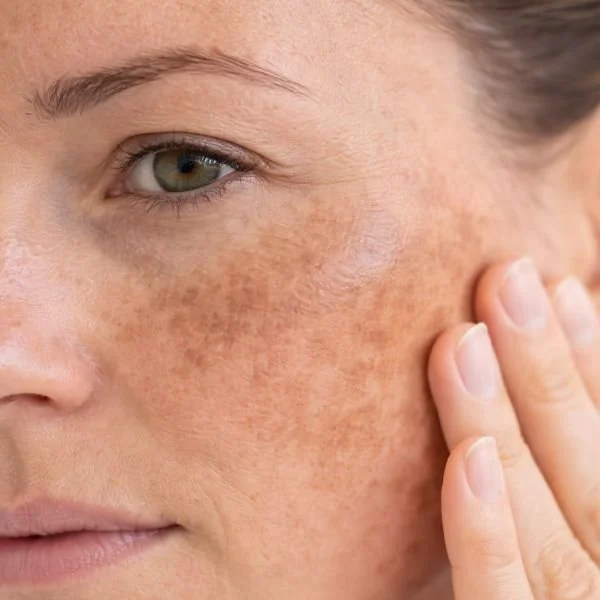
Melasma, sunspots and post-inflammatory hyperpigmentation don't all behave in the same way, and the most effective treatment approach can differ.
If you've recently noticed larger, irregular patches of pigmentation appearing across your cheeks, forehead or upper lip, this could be melasma rather than individual sunspots. Melasma is influenced by several factors, including hormones, UV exposure and genetics.
One thing these hyperpigmentation concerns have in common is the importance of daily broad-spectrum sunscreen, particularly one offering excellent UVA protection.
If you're prone to melasma, I'd also consider a tinted sunscreen containing iron oxides, as visible light can contribute to pigmentation, and these formulations can offer additional protection.
I've covered pigmentation in much more detail in my dedicated Skin School guides, including how to understand different types of pigmentation and which ingredients and treatments are worth considering.
Read more: Hyperpigmentation 101: What Causes It and How to Treat Uneven Skin Tone
Read more: How to Fade Pigmentation and Dark Spots: An Expert's Ingredient Guide
8. How to Improve Dullness and Uneven Skin Texture
And if you've read my first menopause Skin School guide, you'll know that dullness isn't always caused by a build-up of dead skin cells. Sometimes your skin simply needs more hydration!
When the outermost layers of the skin are dehydrated, the surface can look less smooth and reflect light less evenly.
So before reaching for an exfoliating acid, I would always consider whether dryness or dehydration is contributing to the problem.
I love exfoliation when it's used correctly. But more exfoliation doesn't necessarily mean better results.
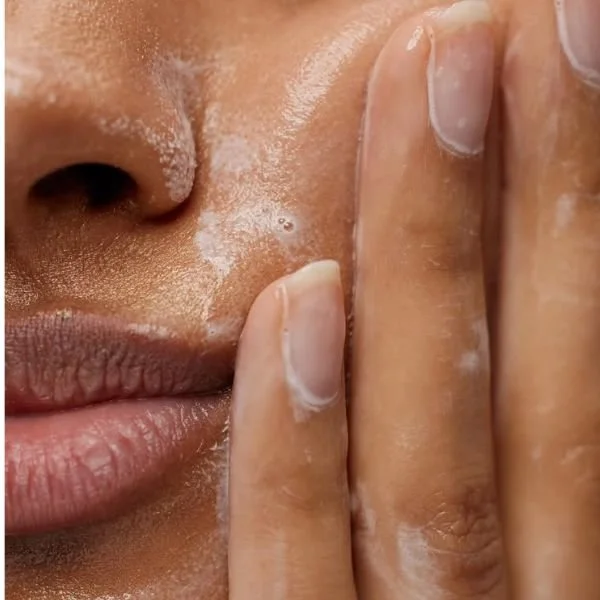
Which Exfoliating Ingredients Would I Consider?
Lactic acid: An alpha hydroxy acid (AHA) that exfoliates and also has humectant properties.
Mandelic acid: An AHA often used in formulations designed for a more gradual exfoliating approach.
PHAs: Such as gluconolactone, which can provide exfoliation alongside humectant benefits.
Enzymes: Another option, although how gentle an enzyme exfoliator feels depends on the complete formulation.
If your skin has become drier, thinner or more sensitive, I would be particularly mindful of how frequently you're exfoliating.
Start once a week, assess your skin's response and increase only if needed.
If you're already using a retinoid, you may not need much additional exfoliation at all.
My personal preference is to exfoliate in the evening and follow with supportive, moisturising skincare.
9. My Recommended Morning and Evening Skincare Routine
The Foundation of Your Morning Skincare Routine: What to Start With and How to Build on It
Step 1: Gentle cleanse - Choose a cleanser that leaves your skin comfortable, not tight.
Step 2: Antioxidant or targeted serum - Vitamin C can be a great choice to support antioxidant protection and improve the appearance of uneven skin tone.
Alternatively, consider a hydrating or barrier-supporting serum if dryness or sensitivity is your main concern.
Step 3: Moisturiser - Look for a formulation that provides the right balance of humectants, emollients and barrier-supporting ingredients.
If your skin is getting drier, you may need a richer texture than before.
Step 4: Sunscreen - Every morning.
Choose a broad-spectrum SPF 30 or 50 that you enjoy using and will apply generously.
The Foundation of Your Evening Skincare Routine: What to Start With and How to Build on It Step 1: Cleanse thoroughly but gently
If you've been wearing makeup or sunscreen, I generally recommend a double cleanse.
Start with a cleansing balm, oil or another suitable first cleanser to remove makeup, sunscreen and daily build-up.
Follow with a gentle second cleanser that leaves the skin feeling clean but comfortable.
Step 2: Your targeted treatment
This is where I would consider a retinoid if your skin tolerates one and you're looking to address fine lines, texture, or certain pigmentation concerns.
But remember, you don't have to use a retinoid every evening.
If your skin is particularly reactive, it may be better to focus on hydration and barrier support before introducing one.
On evenings when you're not using a retinoid, you might use a hydrating or calming serum instead.
If exfoliation is part of your routine, I'd generally keep it to a separate evening initially rather than combining it with a retinoid.
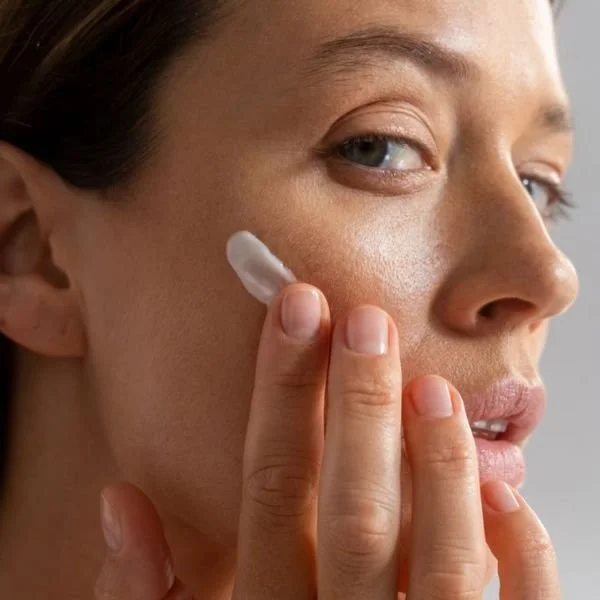
Step 3: Moisturise
Choose a moisturiser that provides the level of hydration and nourishment your skin needs.
This may be the same moisturiser you use in the morning or a richer formulation if your skin benefits from additional emollience overnight.
Look for ingredients such as glycerin, ceramides, cholesterol, fatty acids and squalane.
And if your skin is particularly dry, you may enjoy adding a facial oil as a final step.
What If Your Skin Is Particularly Sensitive or Fragile?
This is where I would simplify everything.
A gentle cleanser, a well-formulated moisturiser and daily sunscreen may be all your skin needs while you're working on restoring comfort.
Pause unnecessary exfoliation and reconsider any active ingredients that are causing irritation.
Once your skin is comfortable and tolerating your routine, you can gradually reintroduce targeted treatments if they're needed.
10. Do You Really Need Menopause-Specific Skincare?
Menopause has become big business in the beauty industry, with more and more products being developed and marketed specifically for perimenopausal and menopausal skin.
But does your skin actually need a product labelled 'menopause skincare'?
Not necessarily!
Just because a product is marketed for menopausal skin doesn't automatically mean it has better ingredients, stronger scientific evidence or will deliver better results than the skincare you're already using.
Yes, declining oestrogen can affect collagen production, skin thickness, hydration and barrier function.
A well-formulated moisturiser containing ceramides, cholesterol and fatty acids doesn't suddenly become less effective because it doesn't say 'menopause' on the packaging!
The same applies to retinoids, vitamin C, peptides and the other ingredients we've discussed throughout this guide.
What matters is the formulation, the evidence supporting the ingredients and, most importantly, whether the product addresses YOUR skin's needs.
I'm not saying skincare developed specifically for menopause can't be beneficial.
Some formulations may be particularly well suited to the dryness, sensitivity or changes in skin texture that some women experience.
But I'd always encourage you to look beyond the marketing.
And be particularly cautious of products claiming to replace oestrogen, reverse hormonal ageing or restore collagen without convincing scientific evidence to support those claims.
Because a product being designed for menopausal skin and a product being proven to reverse the biological effects of menopause are two very different things!
11. My Final Advice: Don't Shop for Your Age or Your Hormones. Shop for Your Skin Conditions!
If there's one thing I want you to take away from this guide, it's that your skin doesn't automatically need a completely new routine simply because you've entered perimenopause, menopause or postmenopause.
Yes, hormonal changes can influence how our skin looks, feels and functions.
And yes, you may need to adjust the products you're using.
But those adjustments should be based on what your skin is actually experiencing.
If your skin is becoming fragile, sensitive or reactive, start there. Prioritise skin comfort and barrier support before introducing stronger ingredients to address your other concerns.
If your skin is comfortable but you're noticing pigmentation, changes in texture or loss of firmness, look at the ingredients that have evidence for addressing those specific concerns.
And if your existing skincare is working beautifully, don't feel pressured to change it!
For me, it's about understanding your skin, choosing ingredients and formulations supported by scientific evidence and knowing when you actually need to make changes.
Don't shop for your age. Shop for your skin conditions!
And hopefully, that understanding will save you a few pounds along the way!
Thanks for Reading
I hope you enjoy the skincare routine I have put together, and you have found this review helpful! As a small independent business, using these links helps me keep my website running and continue to provide these blogs for you. I’m often asked how you can thank me for my skincare advice - using these links is very much appreciated. Thank you for being part of this amazing journey with me!
Links may be affiliated links which means that if you make a purchase though one of our links we receive a small commission which helps support and run this website.