
A Beginner's Guide to Retinol: How to Introduce It Without Irritation
Retinol is one of the most misunderstood skincare ingredients, and I can understand why! There's so much misinformation, yet retinoids are among the most extensively researched skincare ingredients, with decades of clinical evidence supporting their benefits.
We've all heard the stories about dry, peeling, sensitive skin, the dreaded retinol purge and people feeling they need to work their way up to the strongest retinol possible to see results.
But as a skin expert, facialist and skincare educator with over 30 years of experience, there's something I really want you to understand.
Dryness, peeling and irritation aren't signs that your retinol is working! Often, it's how you use it, not the ingredient itself, that's causing the problem.
If you're experiencing these problems, it doesn't automatically mean retinol isn't right for your skin. It may be that your skin barrier isn't in the best condition to begin with, you're introducing retinol too quickly, using too much or not giving your skin the hydration and barrier support it needs.
One of the biggest mistakes I see is focusing entirely on the retinol itself without considering your skin barrier or the rest of your skincare routine.
They choose a formula that's too strong, apply it too frequently or forget about the importance of using hydrating, soothing and barrier-replenishing skincare alongside it.
I'm a huge believer in protecting your skin barrier, and that doesn't change when you use retinol. In fact, I think it becomes even more important!
And it's such a shame because, when used correctly, retinol can be a brilliant addition to your skincare routine!
So, if you're new to retinol, have bought a product but are too nervous to start, or have tried it before and given up because your skin became dry and sensitive, this beginner's guide is for you!
I'm going to explain how to start using retinol for the first time, how often to apply it, why your skin barrier is so important, which ingredients work well alongside it and how to minimise the risk of irritation.
By the end, you'll hopefully feel much more confident introducing retinol into your skincare routine!
What Is Retinol and What Does It Actually Do for Your Skin?
Retinol is a derivative of vitamin A and belongs to a family of ingredients known as retinoids.
Retinoids are among the most extensively researched ingredients in skincare, particularly when it comes to improving the visible signs of skin ageing, uneven skin tone and texture.
Once applied to the skin, retinol undergoes a two-step conversion process to become retinoic acid, its biologically active form. Retinoic acid can then interact with receptors within skin cells and influence how certain genes are expressed.
This helps regulate key skin processes, including cell renewal, development, and maturation, as well as collagen production.
Retinol can help to:
Improve the appearance of fine lines and wrinkles by supporting collagen production and reducing collagen breakdown.
Improve skin texture by helping regulate skin cell renewal, leaving the skin looking smoother.
Even skin tone by helping improve the appearance of certain types of pigmentation and sun damage.
Reduce clogged pores and congestion by helping normalise how skin cells develop and shed within the pores.
Support skin firmness by influencing collagen-related processes that help maintain the skin's structure over time.
We often hear about retinol stimulating collagen production and improving fine lines and wrinkles, but one benefit I like to mention, and one I don't think gets talked about enough, is how retinoids can influence how our skin cells behave!
One of the analogies I use to explain this is to imagine a playground full of naughty children, running around, not doing what they're supposed to be doing and completely ignoring the teacher!
Now imagine retinoic acid as the teacher stepping into the playground and giving those children some much-needed instructions! That's a simplified way to understand how retinoids work within the skin.
Rather than simply speeding up skin cell turnover, retinoic acid helps regulate the instructions that influence how certain skin cells develop, mature and behave.
And that's what makes retinoids so interesting! They're not just helping skin cells renew themselves, they're also influencing how those cells behave and supporting the processes that help maintain healthy skin structure and function.
How to Start Using Retinol for the First Time
If you've never used retinol before, the most important thing I can tell you is to start slowly!
Please don't buy a retinol product and immediately start applying it every evening like a moisturiser.
Retinol is a brilliantly effective skincare ingredient, but no two skins are alike, and how your skin responds will depend on several factors, including the formulation, strength and condition of your skin barrier.
One thing is for sure: your skin needs time to adjust, and introducing retinol gradually is one of the most important steps towards using it successfully!
Here's how I recommend getting started.
Before You Get Started: Preparing Your Skin for Retinol
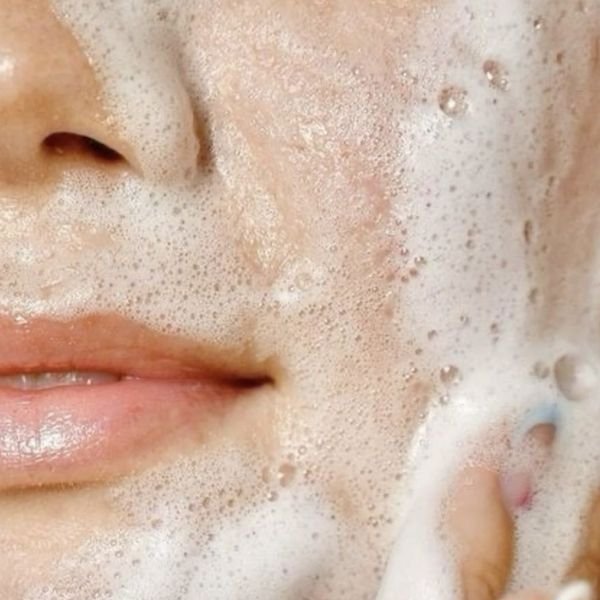
If you're wearing makeup or SPF, I always recommend double cleansing.
On the evenings you're applying retinol, I would avoid using exfoliating acid toners, exfoliating cleansers or facial scrubs.
After cleansing, gently pat your skin dry. One important tip: Don't apply retinol to damp skin!
Damp skin can increase the penetration of certain ingredients, potentially increasing the risk of irritation.
Step 2: Apply Your Retinol
When it comes to retinol, more doesn't mean better!
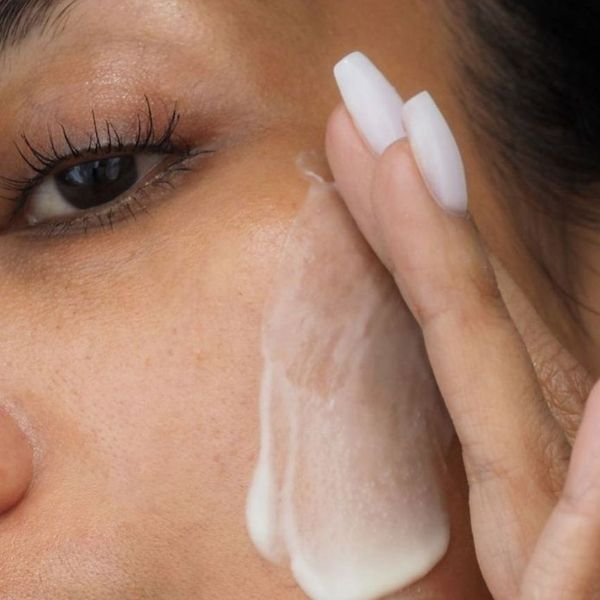
For many traditional retinol creams and serums, a pea-sized amount is enough for your entire face.
However, always check the instructions for your particular product, as formulations and recommended quantities can vary.
Gently distribute the product across your face, avoiding the immediate eye area, corners of your nose and corners of your mouth. These areas can be particularly prone to dryness and irritation.
And remember, applying more product won't necessarily speed up results, but it could leave your skin feeling uncomfortable.
Step 3: Follow With a Moisturiser
Whether you need to apply a moisturiser after retinol depends largely on your skin type and the formulation you're using. Some retinol products already contain hydrating and moisturising ingredients, so an additional moisturiser may not always be necessary.
However, on the whole, I would recommend following with a moisturiser, particularly when you're first introducing retinol into your skincare routine.
Look for ingredients such as glycerin and hyaluronic acid to help attract and retain water in the skin, along with ceramides, cholesterol, and fatty acids to help replenish and support the skin barrier.
The aim is to keep your skin hydrated, comfortable and your skin barrier supported while using retinol!
Step 4: Don't Forget Your Morning SPF!
I couldn't talk about introducing retinol without mentioning SPF!
If you're using retinol to improve the appearance of pigmentation, fine lines, wrinkles or sun damage, protecting your skin from further UV exposure is essential.
I recommend using a broad-spectrum SPF50 every morning, applying the correct amount and reapplying throughout the day when needed.
And remember, SPF isn't just for the mornings after you've used retinol.
It's something I recommend every single day!
My Favourite Retinols For Beginners:
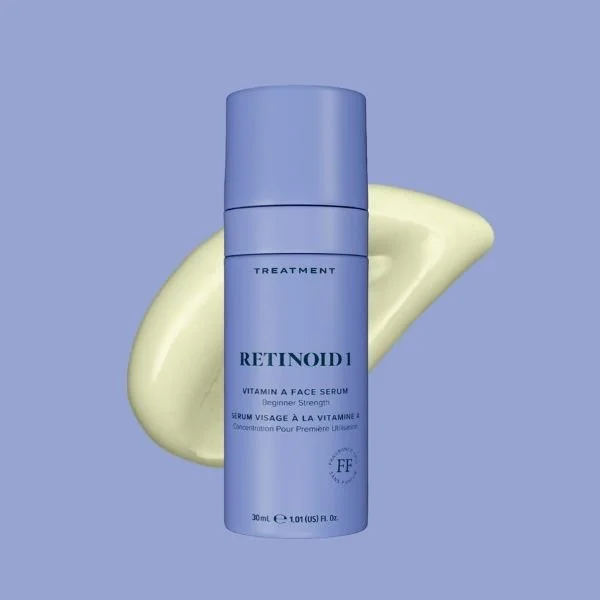
Best Under £20
BYOMA Sensitive Retinol Oil
The Inkey List Starter Retinol Serum
Use discount code LFTFFIONAB
Best Under £40
RoC Retinol Line Smoothing Night Serum Capsules BUY HERE
Use discount code LFTFFIONAB
Best Under £50
Medik8 Crystal Retinal 1/3 BUY HERE
La Roche-Posay Retinol B3 Serum BUY HERE
Use discount code LFTFFIONAB
Best Under £60
Kiehl’s Retinol Skin-Renewing Daily Micro-Dose Serum BUY HERE
Use discount code LFTFFIONAB
Best Under £70
Skin Rocks Retinoid 1 BUY HERE
Best Under £80
Elizabeth Arden Retinol + HPR Ceramide Water Cream BUY HERE
Use discount code LFTFFIONAB
How Often Should Beginners Use Retinol?
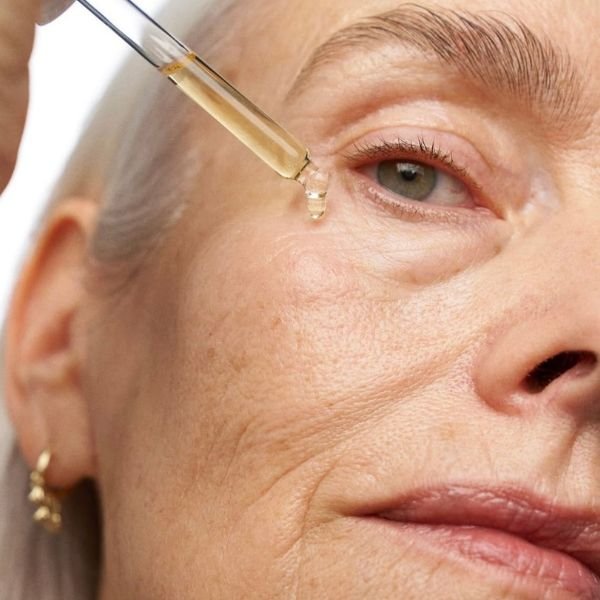
I usually recommend starting retinol just one or two evenings a week, leaving at least two days between applications at first. This gives your skin time to adjust and lets you see how it responds before increasing frequency.
If your skin feels comfortable after a few weeks, you can gradually introduce another evening, but there's absolutely no need to rush!
There's no reason to move from twice a week to every evening simply because you've read that retinol should be used nightly. In fact, you don't need to use retinol every night to see results!
I believe there's a sweet spot for how often you should use retinol, and finding it depends on your skin, the formulation, and how well you tolerate it.
For some people, that might be three evenings a week, while for others it could be five.
In my experience, very few people I've worked with tolerate retinol comfortably seven nights a week, and I don't routinely recommend it.
I'd much rather see someone using retinol consistently three or four evenings a week, with dedicated skin barrier recovery nights in between, than pushing their skin to tolerate it every single evening!
The Retinol Sandwich Method: How to Reduce Irritation
If you're nervous about using retinol for the first time, or if your skin is prone to dryness and sensitivity, I often recommend this technique.
It's called the retinol sandwich method, and it's incredibly simple!
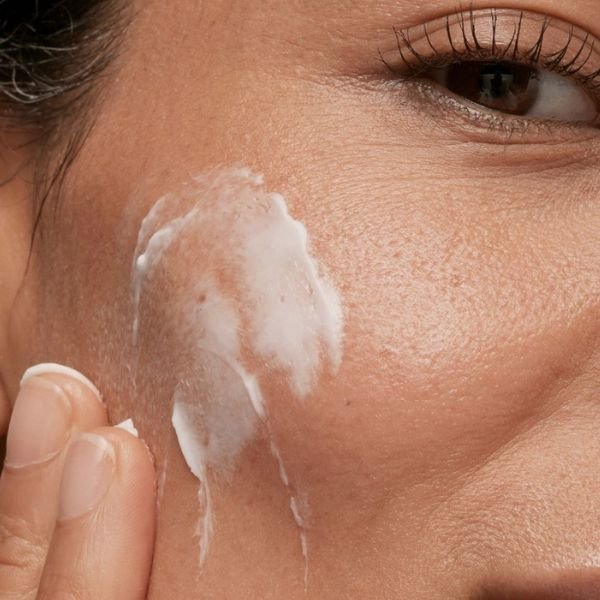
First layer: Moisturiser
After cleansing, apply a thin layer of moisturiser to your face and neck.
Make sure you're using a gentle, hydrating moisturiser that doesn't contain exfoliating acids, retinol or strong vitamin C actives.
Second layer: Retinol
Apply your retinol according to the product instructions, avoiding the immediate eye area, corners of the nose, the area around the mouth and your neck when you're first starting out.
These areas can be particularly prone to dryness and irritation, so I recommend introducing retinol to them separately and cautiously, if appropriate for your skin and the product you're using.
Third layer: Moisturiser
Finish with another layer of moisturiser to help support hydration and reduce moisture loss.
And that's the sandwich method!
Applying moisturiser before your retinol can help buffer its application and reduce the potential for irritation, making this technique particularly useful when you're introducing retinol for the first time.
As your skin becomes more comfortable with retinol, you can gradually reduce the amount of moisturiser you're applying underneath it.
Eventually, you may find you're able to apply your retinol directly onto clean, dry skin, followed by your moisturiser.
But remember, there's no rush to reach this stage! If your skin is happier using the sandwich method, there's absolutely nothing wrong with continuing to use it.
Retinol and Your Skin Barrier: Why Recovery Nights Matter
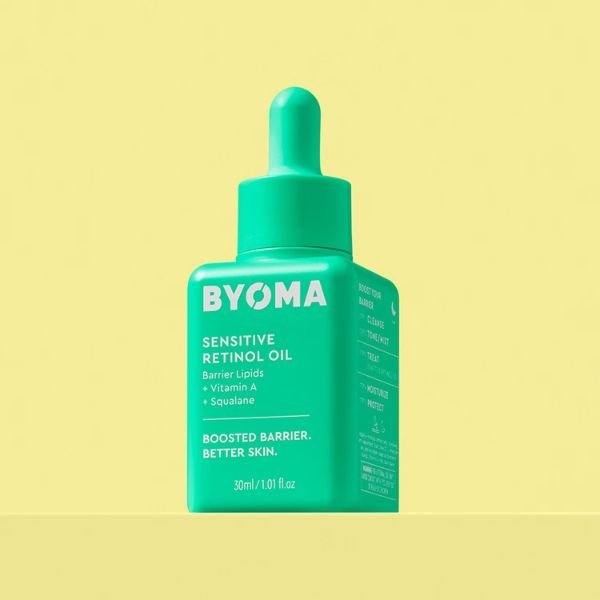
This is probably one of the most important sections of this guide!
I talk about this often because people sometimes get so focused on active ingredients that they forget how important it is to look after their skin barrier.
Your skin barrier plays a vital role in preventing excessive water loss and protecting your skin from external irritants.
When it functions properly, your skin retains moisture better and stays comfortable.
But when your skin barrier becomes compromised, you may notice dryness, tightness, flaking, redness, stinging or increased sensitivity.
This is why I'm such a fan of dedicated skin barrier recovery nights!
On the evenings when you're not using retinol, focus on hydration, moisturisation and replenishing the lipids that help support your skin barrier.
This can be a hydrating serum followed by a good barrier-supporting moisturiser and a facial oil if your skin needs additional nourishment.
My approach is simple: use your retinol on the evenings your skin can comfortably tolerate it, and dedicate the other evenings to looking after your skin barrier.
Your skin shouldn't have to feel constantly dry, sore or sensitised just because you're using retinol.
Retinol Purging vs Irritation: What's Normal?
We've all heard people talking about the dreaded retinol purge!
But I think it's really important to understand the difference between purging and irritation because they're not the same thing.
What Is Retinol Purging?
When you introduce a retinoid, it can affect how skin cells renew themselves and how clogged pores form.
For some people, particularly those already prone to acne or congestion, this can coincide with a temporary increase in visible breakouts. This is commonly called purging.
It tends to appear in areas where you're already prone to breakouts, rather than suddenly developing spots in completely new areas.
However, not every breakout after introducing retinol is purging! Sometimes it can be a reaction to the formulation, irritation or an unrelated breakout.
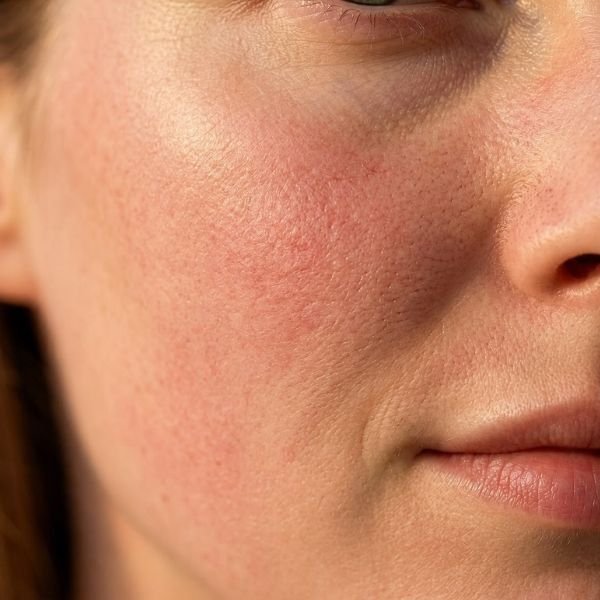
What Does Retinol Irritation Look Like?
Irritation is different, and it's important to recognise the signs.
You may experience:
Persistent redness
Burning or stinging, particularly when applying skincare
Excessive dryness or visible peeling
Tight, uncomfortable skin
Increased sensitivity, even to products you would normally tolerate
If your skin becomes sore, inflamed or uncomfortable, stop using your retinol and focus on repairing your skin barrier.
This means keeping your routine simple, avoiding exfoliating acids and other potentially irritating actives, and concentrating on hydration, moisturisation and barrier-supporting ingredients such as ceramides, cholesterol and fatty acids.
Once your skin has fully recovered, you may be able to reintroduce retinol less frequently or choose a gentler formulation and using the sandwich method would be my top recommendation.
But please don't rush this stage!
Your priority should be restoring your skin barrier and allowing it to become healthy, comfortable and resilient again before thinking about reintroducing retinol.
And if the irritation is severe, persistent or doesn't improve after stopping retinol, seek advice from a healthcare professional.
Remember, irritation isn't proof that your retinol is working!
What Skincare Ingredients Can You Use With Retinol?
One of the biggest questions I receive is whether you can use other skincare ingredients alongside retinol.
And the answer is yes!
But it's important to distinguish between ingredients that can support your skin and those that may increase irritation.
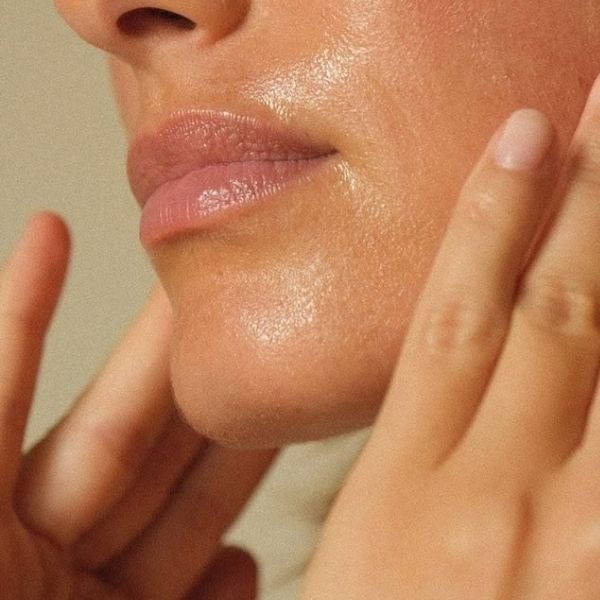
Hyaluronic Acid and Glycerin
I particularly like to see these two ingredients in a retinol routine. Both are humectants, meaning they help attract and retain water in the upper layers of the skin.
Niacinamide
Niacinamide can help support the skin barrier, improve the appearance of uneven skin tone and reduce moisture loss. You can use niacinamide and retinol within the same routine, provided your skin tolerates the formulations.
Ceramides, Cholesterol and Fatty Acids
These are some of my favourite ingredients when it comes to skin barrier support! They form part of the lipid structure that helps keep your skin barrier functioning properly. And I particularly like using moisturisers containing these ingredients when introducing retinol.
Vitamin C
Yes, you can use Vitamin C, I really like Vitamin C in the morning to help defend and shield the skin cells.
Exfoliating Acids: AHAs and BHAs
When you're first introducing retinol, I would avoid combining it with strong exfoliating treatments on the same evening.
Give your skin time to adjust to retinol before deciding whether you need additional exfoliation. Exfoliation can be done on your days off from retinol.
My Final Thoughts on Starting Retinol
If there's one thing I want you to take away from this guide, it's that you really don't need to be afraid of retinol!
But you do need to understand how to use it properly.
Start slowly, choose a suitable formulation, look after your skin barrier and don't feel pressured to increase the strength or frequency simply because somebody else is using a stronger retinol every evening.

Slow and steady always win the race!
And remember, retinol is only one part of a good skincare routine.
Hydration, moisturisation, daily SPF and consistency are just as important.
The goal isn't to use the strongest retinol possible or apply it every single night.
It's to find a retinoid that works for your skin and use it consistently without unnecessary irritation.
And if you're wondering which retinol or retinal to choose, I'll be covering the differences between the various forms of vitamin A, strengths and formulations in my next guide.
In the meantime, I'd love to know whether you're already using retinol or if you're thinking about introducing it for the first time.
And if you've tried it before but struggled with dryness or irritation, let me know!
I'm always happy to help.
Thanks for Reading
I hope you enjoy the skincare routine I have put together, and you have found this review helpful! As a small independent business, using these links helps me keep my website running and continue to provide these blogs for you. I’m often asked how you can thank me for my skincare advice - using these links is very much appreciated. Thank you for being part of this amazing journey with me!
Links may be affiliated links which means that if you make a purchase though one of our links we receive a small commission which helps support and run this website.