
Hyperpigmentation 101: What Causes It and How to Treat Uneven Skin Tone
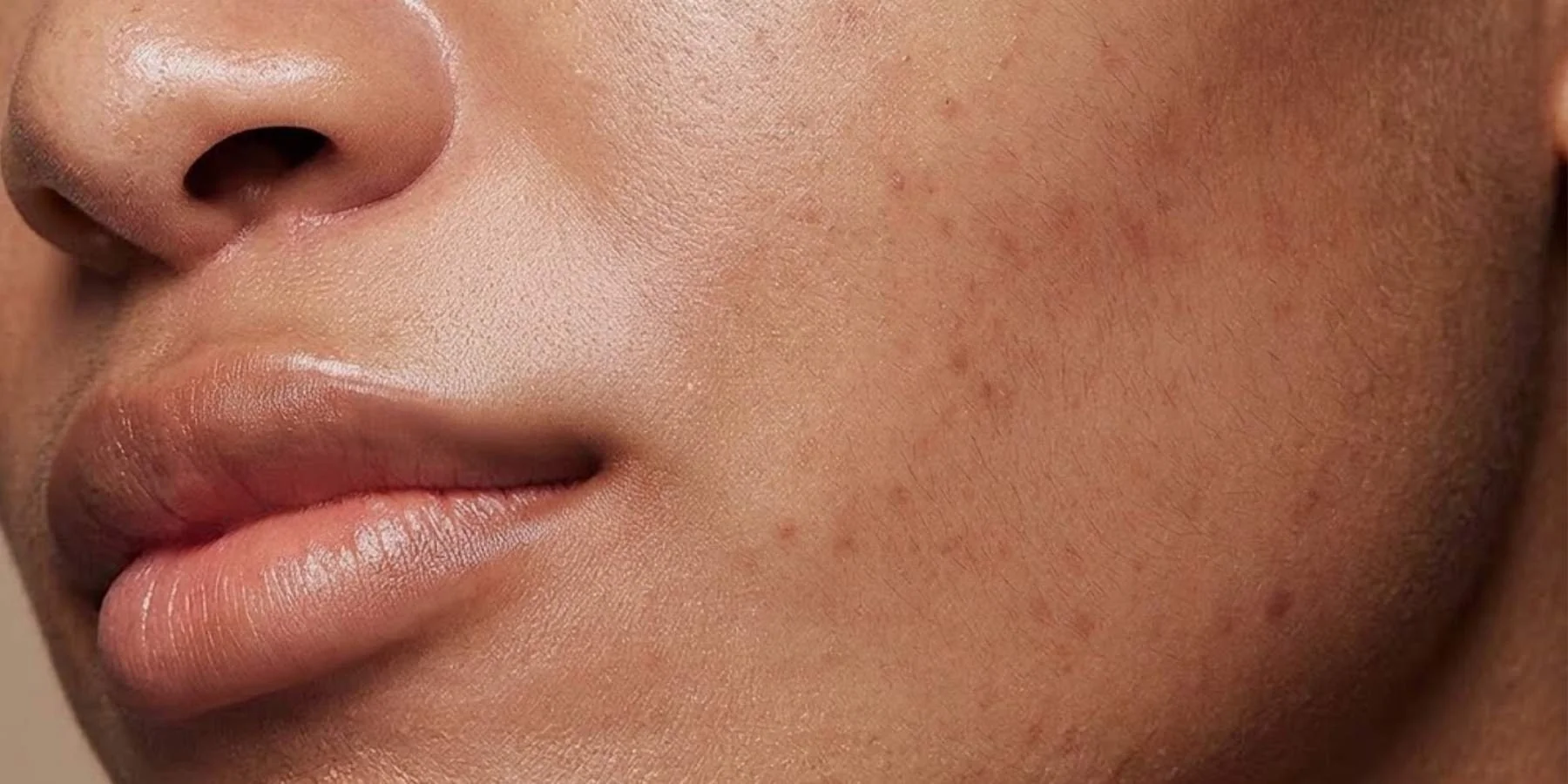
Struggling with dark spots, uneven skin tone, sun damage, melasma or post-inflammatory hyperpigmentation? In this blog, I break down the science behind hyperpigmentation, what can trigger it, and, most importantly, how we can prevent and treat it with the right skincare approach.
Hyperpigmentation is probably one of the hardest skin concerns to treat because so many factors come into play. Unfortunately, no single step in your routine or a single ingredient will fix hyperpigmentation.
What Is Hyperpigmentation?
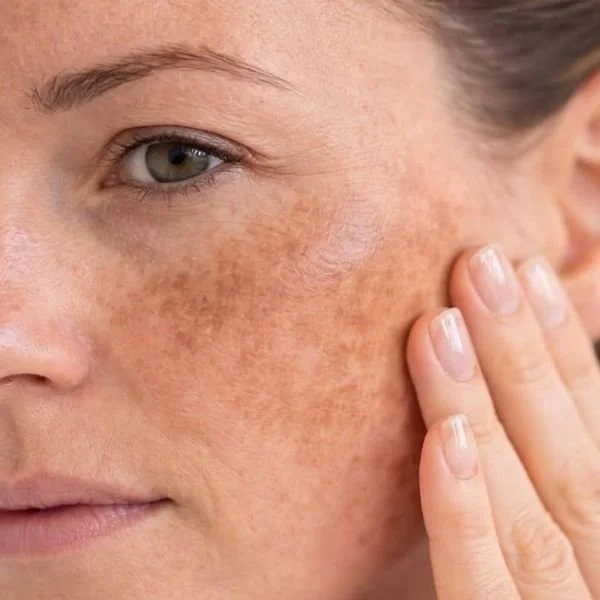
Hyperpigmentation is a common skin condition where patches of skin become darker than the surrounding area. This happens because of an overproduction of melanin, the pigment responsible for the colour of our skin, hair, and eyes.
Melanin isn’t produced randomly, it’s part of your skin’s natural defence system. When the skin perceives a threat, such as UV exposure or inflammation, specialised cells called melanocytes are triggered to produce melanin in order to protect the skin.
When the skin is exposed to certain triggers, particularly UV radiation and inflammation, specialised pigment-producing cells called melanocytes can be stimulated to produce more melanin. This is why your skin becomes darker when you develop a tan.
We often associate a tan with a healthy glow and increased skin confidence, but a tan is actually a visible sign that the skin has responded to UV exposure. Increasing melanin production is one of the ways the skin tries to protect itself from further UV damage.
And this is where understanding pigmentation becomes really important.
The “Fight or Flight” Response of Skin
I often describe hyperpigmentation as the skin going into a kind of fight-or-flight response. It’s not literally fight or flight, but I think it’s a helpful way to understand what’s happening.
When the skin is exposed to certain triggers, such as UV radiation, inflammation or injury, signaling pathways within the skin can stimulate our melanocytes, the cells responsible for producing melanin.
Think of it as the skin receiving an SOS signal: “The skin needs more protection.”
Our melanocytes are constantly receiving signals from the surrounding skin and environment. When those signals indicate stress or damage, melanin is produced in order to protect the skin.
This is why understanding what is triggering that excess melanin production is such an important part of treating hyperpigmentation.
What Causes Hyperpigmentation?
Although UV exposure is probably the trigger we hear about most, hyperpigmentation is far more complex. A combination of external and internal factors can influence melanin production, which is one reason it can be such a challenging skin condition to manage.
Before reaching for another brightening serum, we need to understand what could be telling the skin to produce more pigment in the first place. If that trigger is still there, we may be trying to fade existing pigmentation while the skin continues to produce more.
External Factors That Can Influence Hyperpigmentation
UV Exposure

This is a BIG one.
UV radiation stimulates melanin production as part of the skin’s natural defence response. Repeated exposure can contribute to uneven skin tone, hyperpigmentation and dark spots and can make existing pigmentation more noticeable.
And remember, this isn't just about preventing sunburn. UVA exposure happens year-round, which is why daily sunscreen is such an important part of any hyperpigmentation routine.
Visible Light
And we need to think about more than just UV.
Visible light is different from UVA and UVB, it’s the light we can actually see. Research suggests that visible light can also contribute to pigmentation, particularly in darker skin tones and in people prone to melasma.
This matters because standard broad-spectrum sunscreen primarily protects against UVA and UVB, not necessarily visible light.
For stubborn melasma, a tinted sunscreen containing Iron Oxides can be particularly useful, as the pigments can help provide additional protection against visible light.
Pollution & Oxidative Stress
Environmental pollution can increase oxidative stress in the skin and has been linked to changes in hyperpigmentation, as well as signs of premature skin aging.
Pollution isn’t in the same league as UV exposure when it comes to hyperpigmentation, but the oxidative stress it can create is another piece of the pigmentation puzzle.
This is one reason I like using an antioxidant serum in the morning alongside your sunscreen. Antioxidants can help support the skin’s defence against the free radicals generated by environmental stressors, but they don’t replace your SPF.
Over-Treating Your Skin
Over-exfoliating, combining too many strong actives or repeatedly irritating the skin can cause inflammation, and inflammation itself can contribute to post-inflammatory hyperpigmentation (PIH).
This is particularly important if your skin is prone to PIH. Throwing everything but the kitchen sink at your pigmentation, hoping something will work, can actually backfire. Aggressive exfoliation and too many active ingredients can create more irritation and inflammation and, potentially, more pigmentation. When it comes to treating hyperpigmentation, more, definitely isn’t always better.
Inflammation & Skin Trauma
Inflammation is another important pigmentation trigger.
Breakouts, irritation, eczema, picking spots and other forms of skin injury can stimulate excess pigment production as the skin responds and heals. This can leave behind post-inflammatory hyperpigmentation (PIH).
And picking spots! Not only are you increasing inflammation and trauma, but you may also be increasing your chances of being left with a dark mark afterward.
Heat
Heat is particularly interesting when we’re talking about melasma.
High temperatures can exacerbate pigmentation, particularly in melasma-prone skin. So if your melasma seems more noticeable in hot weather, UV exposure may not be the only factor.
This matters because sunscreen protects us from UV radiation, but it doesn’t protect skin from heat. For anyone prone to melasma, being mindful of prolonged heat exposure can be another piece of the pigmentation puzzle.
Internal Factors That Can Influence Hyperpigmentation
Hormonal Changes
Hormones can play a significant role in pigmentation, particularly melasma. Pregnancy, hormonal contraception, perimenopause, menopause, and postmenopause can influence melanocyte activity and make the skin more prone to developing hyperpigmentation, which is why melasma is sometimes referred to as the “mask of pregnancy.”
Genetics
Your genetics can influence how prone you are to developing certain types of pigmentation. Some people are simply more predisposed to conditions such as melasma or post-inflammatory hyperpigmentation.
Stress
Stress is an interesting one. We know stress can influence many biological processes in the skin, and research suggests links between stress pathways and hyperpigmentation.
Why Hyperpigmentation Is So Hard to Treat
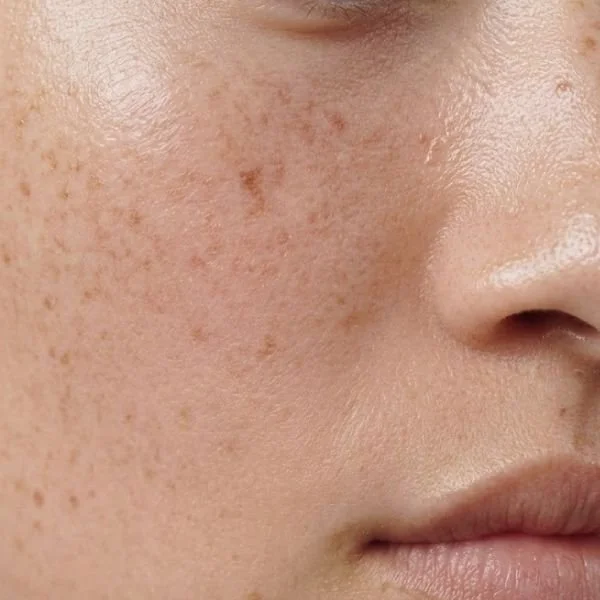
Hyperpigmentation doesn’t always have just one cause. Multiple triggers and pathways can signal the skin to produce more melanin, sometimes at the same time.
You might be trying to fade the pigmentation you can already see, while UV exposure, inflammation, hormones or heat are continuing to stimulate new pigment production.
This is why treating hyperpigmentation usually requires a multi-targeted approach rather than relying on one method.
We need to think about what is triggering the pigmentation, how we can help reduce excess melanin production, and how we can gradually fade the hyperpigmentation that’s already there.
And patience is key. Hyperpigmentation can take months, not weeks, to improve, so consistency really matters.
How to Treat Hyperpigmentation Effectively
When treating hyperpigmentation, it’s important to tackle it from several angles: preventing the triggers, targeting excess melanin production, helping existing pigmentation fade, and, importantly, keeping the skin healthy while we do it.
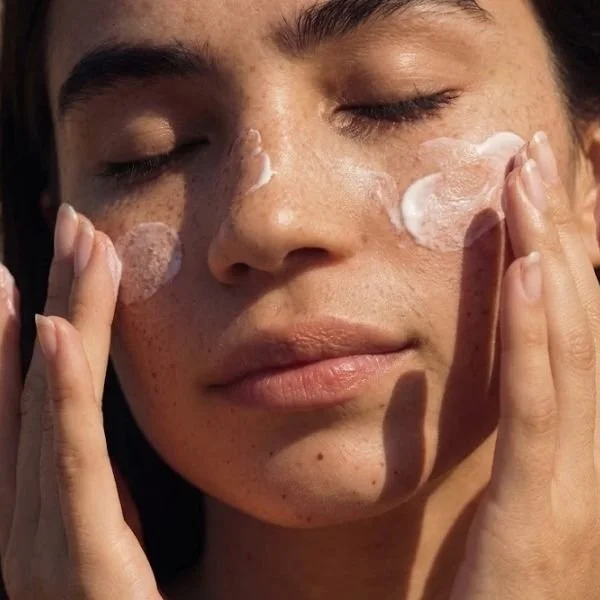
1. Protect Your Skin Every Single Day
If you're trying to tackle hyperpigmentation, daily sunscreen is non-negotiable.
UV exposure stimulates melanin production, so without good sun protection, you may be trying to fade pigmentation while also encouraging your skin to produce more.
Look for a broad-spectrum SPF50, and make sure you apply enough and reapply as needed.
And remember UVA can penetrate through window glass. If you're spending prolonged periods close to a sunny window at home, at work, or in the car, UVA exposure is very much something you must consider.
For melasma and more stubborn pigmentation, visible light can matter too, which is where a tinted sunscreen containing Iron Oxides may be particularly helpful.
2. Target Excess Melanin Production
This is where your targeted pigmentation ingredients come in.
Different ingredients can work at different stages of the pigmentation process, which is why I often prefer a multi-targeted approach rather than relying on one ingredient to do everything.
Ingredients I look for include:
Tranexamic Acid
Alpha Arbutin
Azelaic Acid
Vitamin C
Hexylresorcinol
Niacinamide
Licorice Extract
Depending on the ingredient, these can help interfere with melanin production and reduce it, reduce the appearance of existing pigmentation, target inflammation, or interfere with the transfer of melanin to surrounding skin cells.
This is also why the formulation matters. A long ingredient list doesn't automatically make a pigmentation serum better. I want well-formulated ingredients working together at effective concentrations without unnecessarily irritating the skin.
3. Add Antioxidant Protection
Antioxidants are another useful part of a pigmentation routine.
UV exposure and environmental stressors can generate reactive oxygen species and oxidative stress within the skin, which can contribute to the signalling involved in melanogenesis.
This is why I particularly like using an antioxidant serum in the morning underneath sunscreen.
Vitamin C is a great example because it provides antioxidant protection while also helping to brighten the appearance of uneven skin tone. I need to add a caveat: Vitamin C won't get rid of hyperpigmentation on its own; it's an addition to your sunscreen, not a replacement.
4. Support Skin Renewal
Exfoliation and retinoids can help improve the appearance of existing pigmentation by supporting skin-cell turnover but this is an area where more is definitely not better.
AHAs such as Glycolic, Lactic and Mandelic Acid can help with surface dead cells and improve uneven tone over time, but like Vitamin C, can't do it alone. Retinoids can also increase skin cell turnover and help treat hyperpigmentation in a supporting role.
But you do NOT need to throw acids, retinoids, and every brightening active you own at your skin. If you create irritation and inflammation by over-treating, particularly if you're prone to PIH, you could potentially make your pigmentation worse.
5. Don't Forget Your Skin Barrier
Treating pigmentation shouldn't come at the expense of your skin barrier.
If your routine is repeatedly causing redness, stinging, flaking or irritation, that's a sign to reassess what you're using rather than simply adding another active.
Ceramides, cholesterol and fatty acids can also help support a healthy skin barrier, particularly if you're using active ingredients elsewhere in your routine.
What to Avoid If You Have Hyperpigmentation
Sometimes what you don’t do is just as important as the products you add to your routine.
Tan Accelerators
If you're trying to tackle hyperpigmentation, tan accelerators are not your friend. Many are designed to encourage or enhance melanin production the exact process we're trying to manage when treating pigmentation.
Unprotected Sun Exposure
UV exposure is one of the biggest triggers for excess melanin production and can make existing pigmentation darker and harder to treat. It’s not just about wearing SPF. Apply enough, reapply when needed, and use other forms of sun protection, such as seeking shade and wearing a hat, particularly during prolonged exposure.
Fragrance + Sun Exposure
Be mindful of applying fragrance to sun-exposed areas such as your neck and décolletage.
Certain fragrance ingredients, particularly some citrus oils, can be phototoxic when combined with UVA exposure. This can trigger inflammation in the skin and potentially leave pigmentation behind.
Not every perfume will cause this, but if you're prone to pigmentation, I prefer to spray fragrance onto clothing rather than directly onto skin that will be exposed to strong sunlight.
Overheating If You Have Melasma
If you have melasma, pay attention to heat as well as UV exposure. For some people, prolonged heat and overheating can exacerbate melasma. That could include saunas, steam rooms, very hot environments, and even intense exercise in the heat.
I'm not saying you can never step inside a sauna again! But if you notice your melasma becomes darker after overheating, heat could be one of your personal triggers.
And remember: SPF protects against UV radiation, but it can't stop your skin from getting hot.
Final Thoughts: Prevention Is Everything
Hyperpigmentation isn’t just about treating the pigmentation you can already see - preventing it from becoming darker and reducing the triggers for new pigmentation are just as important.
The most effective approach focuses on:
Daily broad-spectrum SPF - and importantly, applying enough and reapplying when needed
Targeted ingredients that work at different stages of the pigmentation process
Antioxidant protection to help defend against oxidative stress
Supporting your skin barrier and avoiding unnecessary irritation and inflammation
Understanding your individual triggers, whether that's UV, inflammation, hormones, visible light or heat
Take Before Photos
One of my biggest tips when treating hyperpigmentation is to take before photos.
Pigmentation takes time to improve, and because you look at your skin every single day, it can be really difficult to notice those gradual changes.
Take a clear photo before you start your new routine and then repeat it every 4 weeks, ideally in the same place, same lighting, same angle and without makeup.
Try not to judge your progress day by day. Give your routine time to work and use your photographs to look at the bigger picture.
And finally, be patient. Hyperpigmentation is one of the hardest skin concerns to tackle and results don't happen overnight. Think months, not weeks.
When you understand why your pigmentation is happening, you can stop simply throwing products at it and start taking a much more targeted approach.
Thanks for Reading
I hope you enjoy the skincare routine I have put together, and you have found this review helpful! As a small independent business, using these links helps me keep my website running and continue to provide these blogs for you. I’m often asked how you can thank me for my skincare advice - using these links is very much appreciated. Thank you for being part of this amazing journey with me!
Links may be affiliated links which means that if you make a purchase though one of our links we receive a small commission which helps support and run this website.