
How to Repair a Compromised Skin Barrier. An Expert Guide to Healthy, Resilient Skin
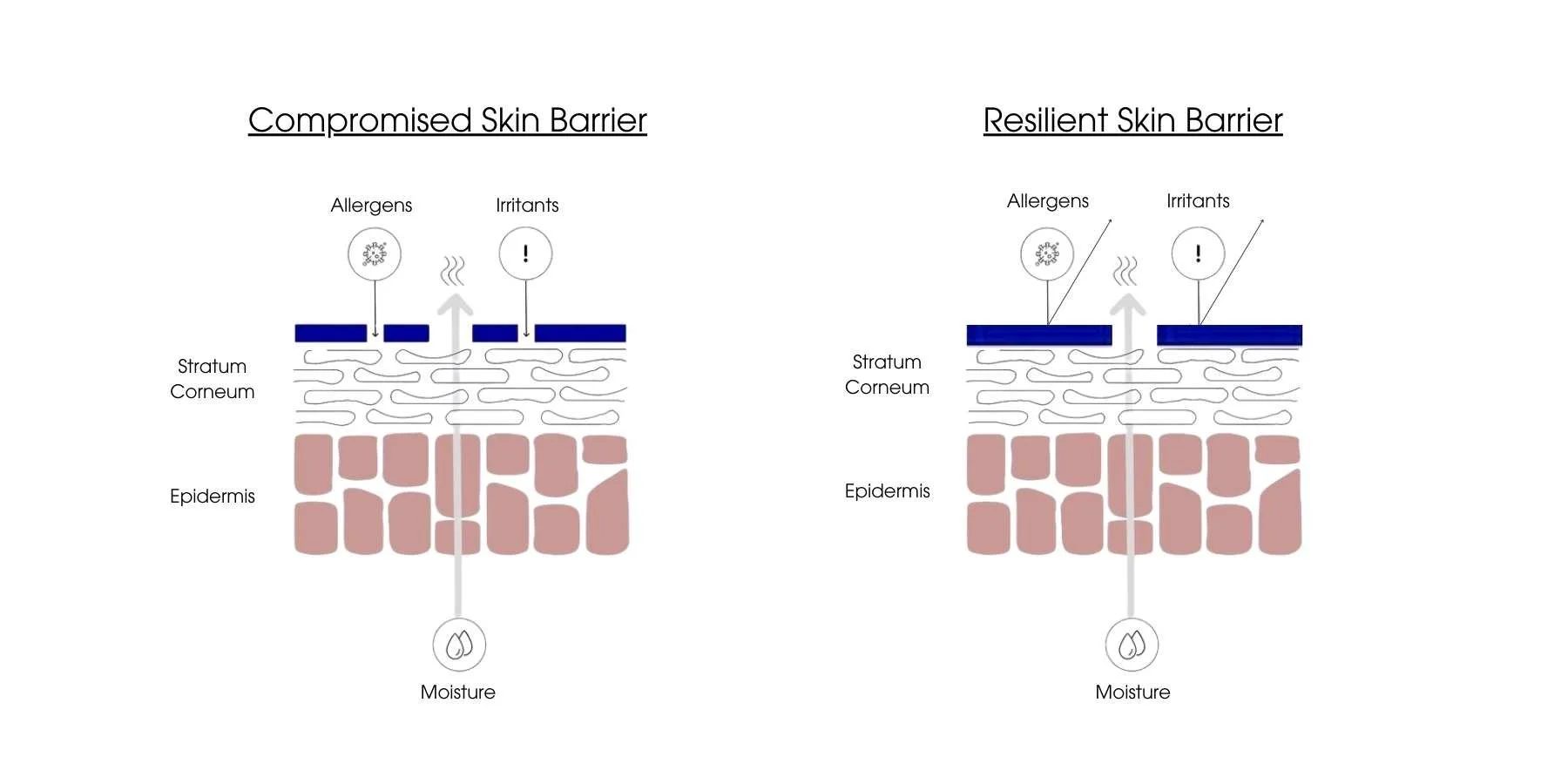
Understanding Your Skin Barrier
One of the most valuable skincare lessons I can share is to get to know your skin barrier. Understanding your skin barrier and, most importantly, recognising the signs of an unhappy skin barrier will save you time and money in the long run. You've probably heard in the last few years more people talking about the skin barrier, and you've wondered what it is and how to tell if I have compromised or damaged it. The skin barrier is probably the most important part of the skin and yet we do not appreciate how important this is to the health of our skin until it's too late.
In this guide, we’ll dive into everything you need to know to understand and restore your skin barrier.
How to recognise the signs of a compromised barrier
What can cause barrier damage
Why your skin might suddenly sting, burn, or react to products
How to repair and strengthen your skin barrier
How long barrier repair really takes
What Is The Skin Barrier?
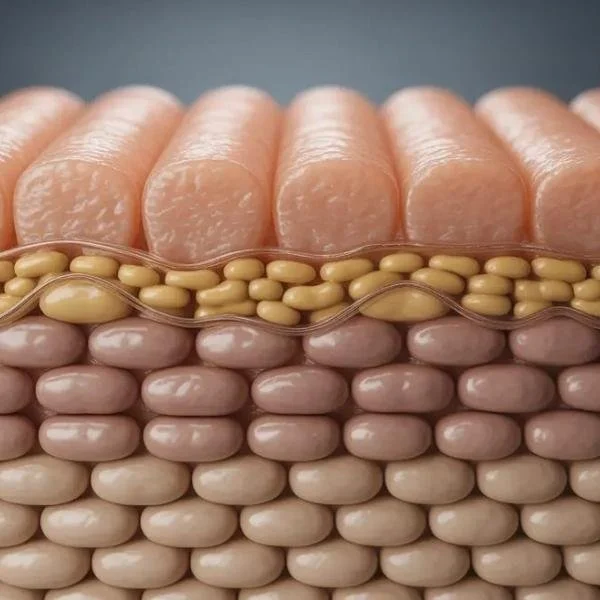
Think of the skin’s barrier as a brick wall, the bricks are the dead skin cells (corneocytes), and the cement is intercellular lipids (ceramides, cholesterol, and fatty acids).
Why the skin barrier is so important for skin health
The sole purpose of the skin barrier is to protect the skin. When the skin barrier is strong, the skin can defend itself, preventing water loss, keeping it hydrated, and locking in moisture whilst protecting it from irritants like pollution, allergens, and pathogens. Whilst regulating the skin's pH and microbiome.
As we age, our skin’s ability to produce these vital lipids (intercellular lipids) declines significantly. This lipid depletion doesn’t just affect hydration levels; it also impairs the skin’s ability to repair itself, defend against environmental stressors, and maintain a resilient, youthful complexion. Without this essential lipid support, the skin becomes more vulnerable to dehydration, sensitivity, and accelerated signs of ageing.
What can damage the skin barrier?
Damaging the skin barrier is sadly easier than you think, typically, it’s a combination of intrinsic and extrinsic factors that create the perfect storm.
Over-Exfoliation
Exfoliating too much or using too strong products can weaken the skin barrier by attacking and depleting the lipids that make it up.
Overuse of Actives
Too many or too high concentrations of potent ingredients like retinoids (retinol, retinal), exfoliating acids (AHAs, BHAs, PHAS) or vitamin C, can irritate your skin.
Stripping Cleansers
Cleansers that leave your skin feeling “stripped and squeaky clean” will disrupt your skin’s natural lipid balance and, over time, will cause the skin barrier to weaken, letting pathogens and allergens in.
Fragrance & Alcohol in Skincare
Whilst this isn't for everyone, if the skin barrier is already weakened, fragrance and alcohol in skincare can tip the skin's balance and can trigger irritation
Hot Water and Heat Exposure
Hot showers or washing your face with hot water can strip natural oils from your skin. Even hot cloths used when cleansing will deplete the skin's lipids found in the skin barrier.
Dehydration and Water Loss (TEWL)
Ignoring the signs that your skin is dehydrated is a sign that the skin barrier has started to weaken and the reason you can feel the skin feeling tight, taut and thirsty is that the barrier has started to lose water (transepidermal water loss (TEWL)), making your skin more fragile.
Environmental Stressorts
Environmental aggressions such as pollution, UV rays, weather conditions like the wind, and extreme drops and rises in temperatures, including central heating and air conditioning, can all break down the lipids that protect your skin.
Stress, Lack of Sleep, and Cortisol
Both increase the cortisol levels, the stress hormone. High levels of cortisol impair skin repair, regeneration and weaken the skin barrier.
Age and Menopause
Both cause a natural decline in the skin's ability to produce the key lipids that play a key role in the strength and resilience of the skin barrier.
How do I know if my skin barrier is damaged?
If your skin suddenly experiences any of the following, it is a sign that it is trying to tell you something. When the sin barrier becomes damaged or weakened, your skin can quickly become sensitive, reactive, and unbalanced.
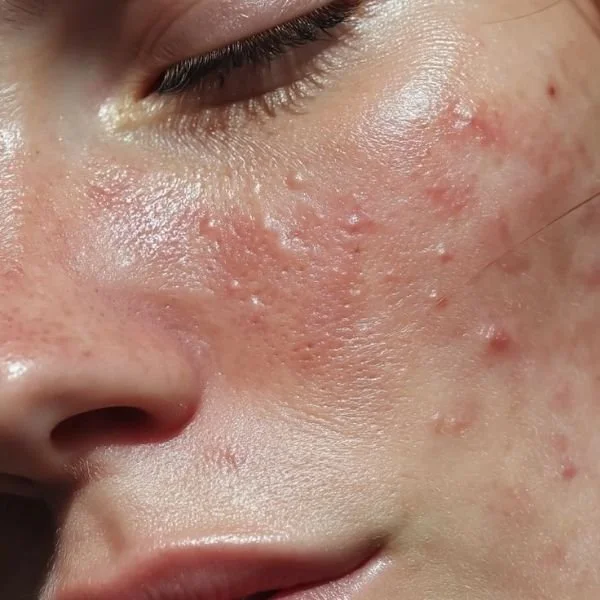
Dehydration, Dryness & Flakiness
The moment you experience the feeling of tight, taut, thirsty, or rough texture halfway through the day or even after moisturising.
Increased Sensitivity
If your regular skincare routine used to feel fine and now starts to sting, burn, or cause redness.
Redness or Inflammation
Your skin looks and feels warm, flushed, patchy, or irritated, especially around the nose, cheeks, and mouth.
Breakouts or Small Bumps Under The Skin
Experiencing new breakouts or more congestion is a sign that the skin barrier isn't able to keep bacteria out, inflammation has increased, oil production and water loss too. This combination will trigger spots.
Itchiness or Tightness
The skin can feel uncomfortable and itchy, or overly tight throughout the day and even after cleansing.
How to repair the skin barrier on your face?
Go Back To Basics
The first step is to strip your skincare back to basics. This will be a simple and effective skincare routine:
The first step is to strip your routine back. That means no exfoliation, vitamin C, retinoids (retinol or retinal).
Your routine needs to be simple, soothing, and effective. That means a gentle cleanser, moisturiser, and SPF
If your barrier is significantly compromised, make sure everything you use is fragrance-free, as fragrance is a well-known allergen and can easily trigger further irritation.
Be careful of hidden irritants you might think about. Abrasive facecloths, muslin, and flannels can be too rough or too harsh and disrupt your barrier further. Avoid hot water and use only tepid warm water, as even hot water can strip the natural oils from the skin barrier.
Use a Barrier-Repair Moisturiser
Be careful to use a moisturiser that can rebuild and repair, rather than just paper over the cracks in the skin barrier. These are the ingredients that can rebuild your skin’s barrier:
Ceramides
Cholesterol
Fatty acids
Hydrate Deeply
As well as the barrier being compromised, the skin is letting out water quickly, so adding a lightweight serum will be really beneficial, or ensure your moisturiser can deliver these humectants like hyaluronic acid or glycerin to draw water into the skin
Don't Skip SPF
A compromised skin barrier lets pollutants and allergens into the skin, we don't want to let those UV rays do more damage then they already do. Unprotected skin slows barrier repair, so apply a broad-spectrum SPF 50+ every single day, even indoors or on cloudy days.
Don't Underestimate The Process
Consistency is key - This new routine will take time. Initially, it's about restoring some calm to the skin and then the skincare routine can start to rebuild the skin barrier. Make sure you are not tempted to add any exfoliating acids, Vitamin C or retinoids into the routine. Cutting these skincare actives out is key to repairing the skin barrier.
Do the detective work - Try to understand what triggered the damage so you can avoid it going forward and ensure you strengthen your skin barrier daily and don’t wait for the stinging, even that tight, tough feeling means the skin barrier has been compromised.
If you need help finding the best barrier repair moisturiser for your skin type and budget, find out more here in my Expert Guide to the Best Barrier Repair Moisturisers and The Best Barrier Repair Products.

How long does it take to repair a skin barrier?
This really depends on how damaged the skin barrier. For mild skin barrier disruption, it can take 2-4 weeks; for more moderate to severe disruption, it can take 3-4 months. If your skin keeps becoming reactive, it may point to underlying inflammation, overuse of actives, or an impaired microbiome.
What ingredients will repair your skin barrier?
Ceramides make up 50% of the lipids surrounding the dead skin cells. This powerhouse ingredient forms building blocks to strengthen and repair the skin barrier. The lipids mimic the barrier and help keep hydration in and skin irritants out.
Super vitamin Niacinamide (Vitamin B3) can boost the skin's ceramide production making this a brilliant ingredient to look out for.
Natural lipids are crucial for a strong skin barrier and skin’s ability to produce these lipids declines with age. As well as ceramides the skin will also need cholesterol and fatty acids.
Thank You For Reading
I hope you found these recommendations helpful. If you choose to shop using the links I’ve shared, thank you—it genuinely makes a difference. As a small, independent business, your support helps brands discover my work and allows me to keep creating honest, helpful content and running this website.
Happy shopping, and thank you again for being here!
Fiona x